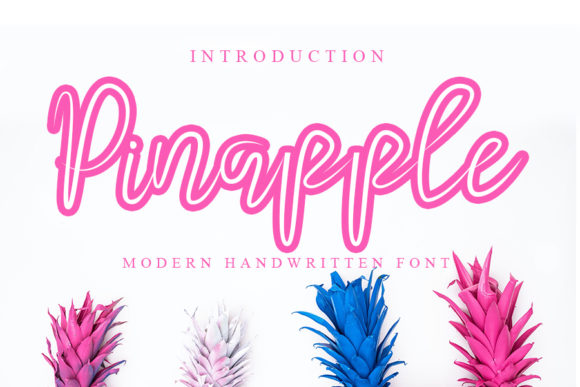
Pinapple: A Playful Handwritten Font
Working on a boutique online store’s homepage, I was looking for a font that could add a touch of personality without overshadowing the design. Pinapple, a cute and playful handwritten font from Script Amp, caught my eye. It felt just right for the brand’s aesthetic—whimsical yet professional enough to maintain credibility.
The first thing I noticed about Pinapple is its unique character. Each letter has a slight irregularity, giving it a handcrafted feel. This makes it stand out in digital layouts, especially when used for headlines or decorative elements. It’s not overly ornate, which helps keep it versatile across different design contexts.
Testing Pinapple in the hero section of the website, I found it worked well as a headline. The font’s soft curves and playful strokes added visual interest without making the text hard to read. It paired nicely with a simple sans serif for body copy, creating a balanced hierarchy that guided the user’s eye naturally through the page.
One of the key benefits of Pinapple is its adaptability. Whether it’s a product landing page, a coaching website, or a portfolio homepage, the font can be used strategically to enhance the overall look and feel. For instance, on a creative portfolio site, using Pinapple for project titles gave the layout a personal, artisanal touch that aligned with the designer’s brand identity.
Readability is always a concern with script fonts, but Pinapple handles it surprisingly well. On mobile screens, the font remained legible even at smaller sizes, which is crucial for responsive design. I tested it over image banners and found that it maintained clarity against both light and dark backgrounds, making it a reliable choice for various design scenarios.
When considering where to use Pinapple, it’s best suited for short phrases, headings, and logos rather than long blocks of text. Its quirky nature makes it ideal for call-to-action buttons, section headings, or decorative accents that need to grab attention. However, it’s important to use it sparingly to avoid overwhelming the reader.
For a coaching website, I used Pinapple for the main title of a course sales page. The font’s friendly and approachable style helped create a sense of trust and connection with potential customers. Paired with a clean serif font for the body text, it struck the right balance between creativity and professionalism.
Another area where Pinapple shines is in social media graphics and digital ads. Its handwritten charm adds a human touch that can make content more engaging. When designing promotional landing pages, I found that using Pinapple for subheadings and captions made the message feel more authentic and relatable.
Before implementing Pinapple on any project, it’s essential to check the available styles and webfont formats. The font comes in multiple weights and alternates, which allows for greater flexibility in design. Ensuring multilingual support is also important if the website targets a global audience.
Commercial licensing is another factor to consider. As a premium font, Pinapple requires proper licensing for use on websites, client projects, and brand assets. This ensures that the font is used legally and avoids any potential issues down the line.
In terms of font pairing, Pinapple works well with simple sans serif or serif fonts. For a modern typography approach, pairing it with a clean sans serif like Roboto or Open Sans creates a contrast that enhances readability. On the other hand, using it with a classic serif font like Georgia or Times New Roman can give a more editorial feel to the design.
Overall, Pinapple is a great addition to any digital design toolkit. Its playful yet professional appearance makes it suitable for a wide range of web projects, from online stores to creative portfolios. By understanding its strengths and limitations, designers can use it effectively to elevate their brand’s visual identity.
Whether you’re working on a product landing page, a blog redesign, or a digital brand kit, Pinapple offers a fresh and engaging way to express your brand’s personality. Its unique characteristics and practical usability make it a valuable asset for any web designer or digital creator looking to add a touch of creativity to their work.
As I continued testing the font across different layouts, I realized how much it could contribute to the overall user experience. From headers to buttons, Pinapple brought a sense of warmth and individuality that enhanced the design without compromising functionality.
For those exploring new fonts for their next project, Pinapple is definitely worth considering. It’s a versatile and expressive typeface that can help create a more polished and memorable online presence.